
2026-10-14
MPCVD Equipment for Semiconductor & Biomedical Applications
CVD Encyclopedia source:wattsine author:wattsine

Introduction


As AI computing infrastructure and third-generation semiconductors scale rapidly, heat dissipation has become a critical bottleneck limiting power device performance. Upstream in this supply chain, MPCVD (Microwave Plasma Chemical Vapor Deposition) is moving diamond materials out of the lab and into industrial production.

I. MPCVD: The Leading Route to High-End Diamond


Diamond combines ultra-high thermal conductivity, a wide bandgap, broad-spectrum transparency, chemical inertness, and biocompatibility—properties that have earned it the name "the ultimate material." Turning it into an engineering material, however, depends on the deposition process.

MPCVD uses microwave-excited plasma in an electrodeless configuration. With no filaments or electrodes inside the chamber, it eliminates the metal contamination that plagues hot-filament CVD (HFCVD). Microwave power, gas composition, chamber pressure, and substrate temperature are independently and precisely controlled, delivering excellent repeatability and stable, large-area, long-duration deposition. This is why MPCVD is widely regarded as the optimal route for electronic-grade diamond.

II. Three Application Areas Moving Forward in Parallel


Electronics & Semiconductors: The Ultimate Thermal Solution


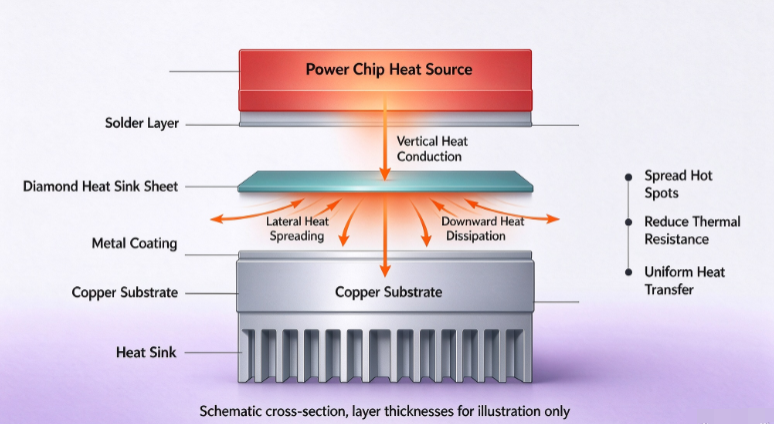
Diamond's thermal conductivity reaches up to 2000 W/(m·K)—roughly five times that of copper—and its coefficient of thermal expansion matches semiconductor materials well. In high-power-density applications such as AI servers, 5G base stations, and SiC electric drive systems for EVs, conventional copper and ceramic solutions are nearing their physical limits. Diamond heat spreaders are becoming a key option for localized hotspot control in GaN RF devices, power modules, and advanced packaging. With a bandgap of about 5.5 eV, diamond as an ultra-wide-bandgap semiconductor also enables power devices that outperform silicon-based designs under high-temperature, high-voltage conditions.


Biomedical: Biocompatibility Opens New Applications


Diamond is chemically stable, does not trigger adverse reactions with human tissue, and its surface can be readily functionalized. These traits give it clear value in biosensors, medical electrodes, and implantable device coatings. Its extreme hardness and wear resistance also suit it for high-precision surgical instruments and dental drills.

Precision Machining: Next-Generation Ultra-Hard Tools


When machining carbon fiber composites, ceramics, titanium alloys, and other difficult materials, diamond-coated tools deliver significantly higher hardness, wear resistance, and service life. They are essential consumables in aerospace component manufacturing.

In optics, diamond transmits from the UV through the far-infrared and microwave bands, making it suitable for high-power laser windows, infrared imaging windows, and other components operating in extreme environments. In frontier research, NV-center diamond is being explored for quantum sensing and room-temperature quantum computing. Gem-grade lab-grown diamond remains the most commercially mature application today.

III. From Material to Mass Production: Equipment Is the Critical Enabler


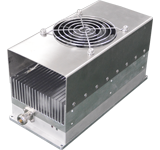
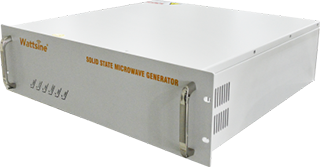
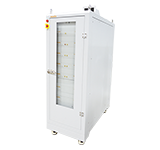
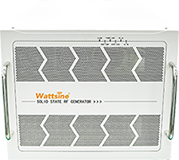
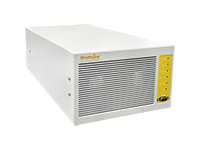
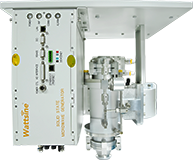
Turning material performance into reliable capacity requires strong equipment. Founded in 2015, Chengdu Wattsine Electronic Technology Co., Ltd. specializes in solid-state microwave RF energy and plasma technology. It is a National High-Tech Enterprise and a National-level "Little Giant" Enterprise for specialization, refinement, distinctiveness, and innovation. With self-developed, high-reliability all-solid-state microwave power sources (915 MHz / 2450 MHz) at its core, Wattsine designs its MPCVD systems in close coordination with these sources, achieving full in-house control from core components to complete systems.

MPCVD equipment


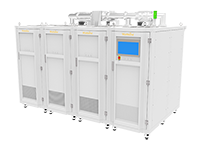
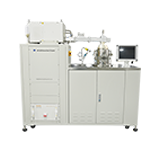
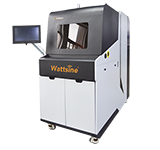
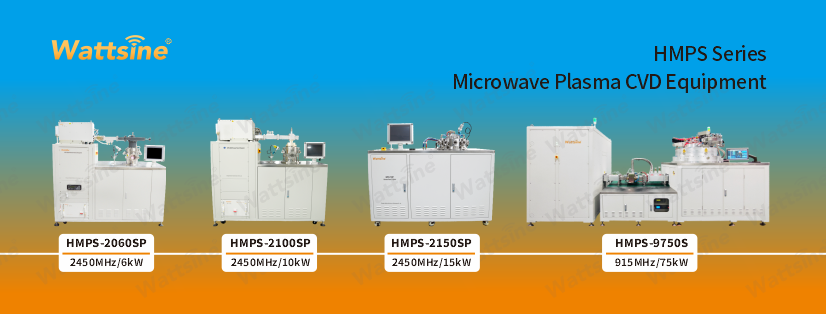
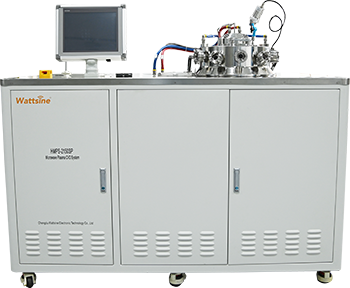
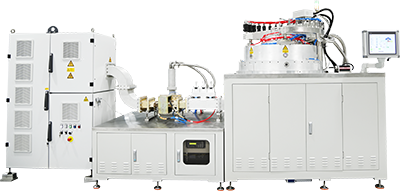
Wattsine offers the HMPS series, covering everything from research validation to volume production:

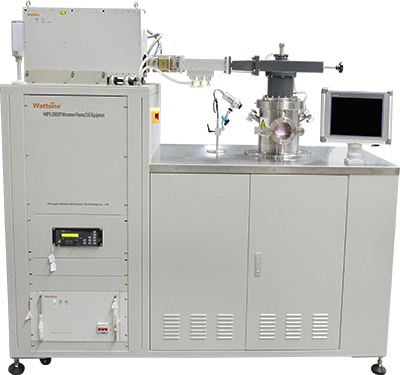
HMPS-2060SP (2450 MHz / 6 kW), HMPS-2100SP (2450 MHz / 10 kW), HMPS-2150SP (2450 MHz / 15 kW): For materials research and process validation at universities and institutes, and small-batch production of tool-grade and optical-grade diamond.

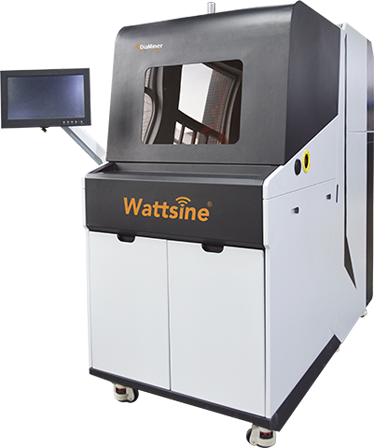
HMPS-9750S (915 MHz / 75 kW): A high-power production model with a solid-state microwave source offering power stability of ≤ ±1%. It uses TM02 dual-mode discharge technology with a discharge diameter ≥ 300 mm and a uniform deposition zone ≥ 200 mm, capable of stably producing nanocrystalline and ultrafine nanocrystalline diamond over 6 inches, optical-grade CVD diamond windows, and CVD single-crystal diamond heat spreaders. The model passed an industry expert review in July 2025, and its diamond product has tested at thermal conductivity up to 2000 W/(m·K).

When selecting equipment, users should focus on three factors: microwave frequency (915 MHz for large-area deposition, 2450 MHz for process flexibility), power level, and deposition uniformity. These directly determine the quality ceiling and unit production cost of the diamond.

Conclusion


From chip thermal management to biomedical devices, from precision tools to optical windows, MPCVD is becoming a shared materials platform across strategic emerging industries. As domestic high-power, large-area equipment advances, diamond industrialization is set to accelerate.

About Wattsine


Chengdu Wattsine Electronic Technology Co., Ltd. specializes in solid-state microwave RF energy and plasma technology, providing a full range of MPCVD equipment and process support from lab R&D to industrial production.

For technical specifications and application solutions of the HMPS series, please contact the Wattsine team.
Related Product
More products
028 - 85964177
minhong.wan@wattsine.com